Retaining Walls & Concrete Masonry
Control slopes, prevent erosion, and create usable outdoor spaces with professionally built retaining walls.
Why You Need a Retaining Wall
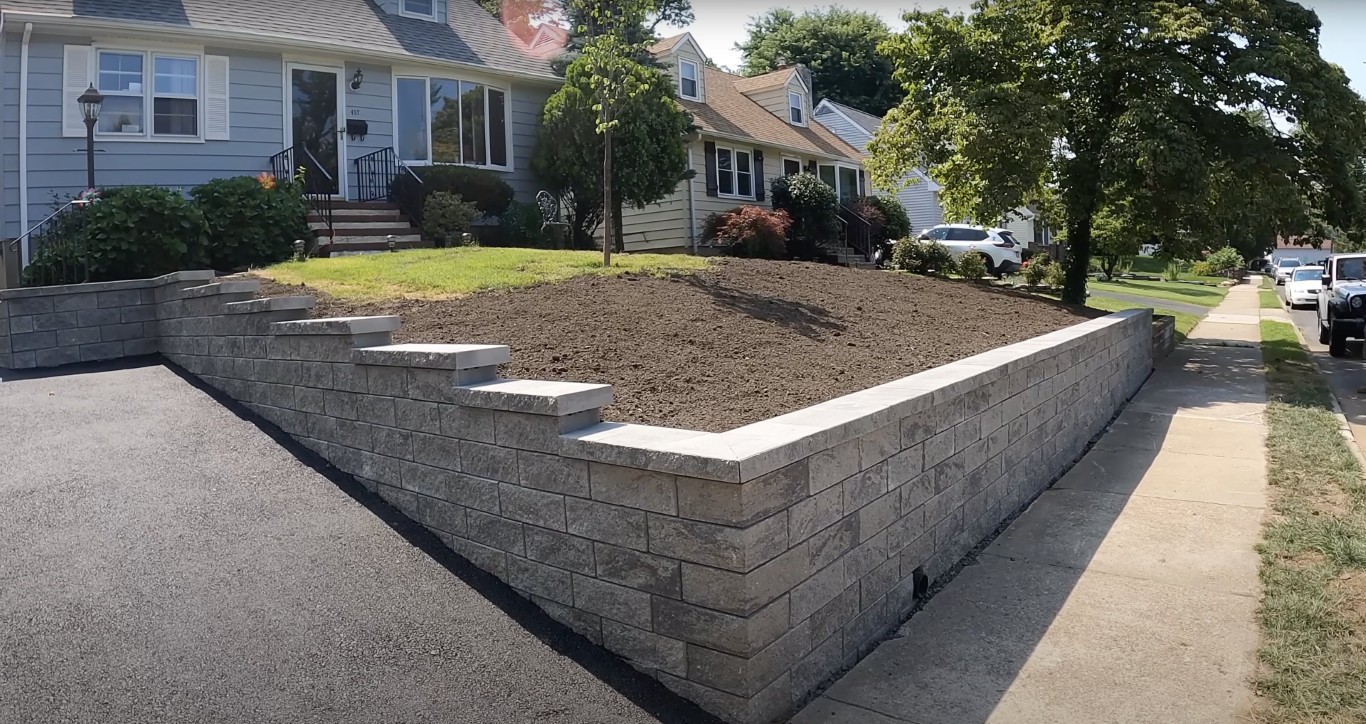
Retaining walls serve both practical and aesthetic purposes. If your property has slopes or grade changes, a retaining wall holds back soil and creates flat, usable areas for patios, gardens, or landscaping. Without proper retention, sloped areas erode during rain, lose soil, and can even threaten structures downhill. A well-built wall stops erosion, prevents soil movement, and turns unusable hillsides into functional outdoor spaces.
In Mission Viejo, many properties have natural slopes or grade changes from street to house. We build retaining walls using concrete blocks, poured concrete, and masonry to handle everything from small garden terraces to large structural walls. The right wall design depends on the height you need, the soil conditions, drainage requirements, and your aesthetic preferences.
Types of Retaining Walls We Build
Different situations call for different wall types. Here are the most common options for residential properties:
- •Concrete block walls: Interlocking blocks stacked without mortar, good for walls up to 4 feet
- •Segmental retaining walls: Engineered blocks with setback and pins for taller walls
- •Poured concrete walls: Reinforced concrete for maximum strength and heights over 4 feet
- •Masonry block walls: Traditional CMU blocks with rebar and grout for structural walls
- •Decorative stone veneer: Facing applied over concrete block for natural stone appearance
Each type has advantages. Concrete blocks are cost-effective and quick to install. Poured concrete walls handle the most load and can support structures built on top. Masonry gives you the most design flexibility with different block sizes, colors, and cap styles. We help you choose based on your wall height, soil conditions, budget, and the look you want.
Engineering and Drainage
Retaining walls are structural elements that need proper engineering, especially as they get taller. Walls over 4 feet almost always require engineering stamps and building permits. Even shorter walls need proper base preparation, drainage systems, and sometimes soil reinforcement like geogrid fabric.
Drainage is critical. Water buildup behind a retaining wall creates pressure that can cause the wall to fail. We install drainage pipes, gravel backfill, and weep holes so water flows through and away from the wall instead of building up behind it. Poor drainage is the number one reason retaining walls fail, which is why we spend time getting it right.
The Installation Process
Building a retaining wall starts with excavation and base preparation. We dig below grade to create a solid foundation, usually using compacted gravel or poured concrete depending on the wall type. The base must be level and stable because everything else builds on top of it.
For block walls, we set the first course carefully and check level constantly as we build up. Each course gets pinned or adhered to the one below. Poured concrete walls require forming, rebar placement, inspection, and careful consolidation during the pour. All walls need proper backfill with drainage gravel and connection to drainage systems.
Key elements of quality retaining wall construction:
- •Proper excavation and base preparation
- •Compacted gravel or concrete footing below grade
- •Drainage system with pipes and gravel backfill
- •Setback or batter for stability as wall goes higher
- •Geogrid reinforcement for taller walls
- •Cap blocks or coping for finished appearance
- •Proper compaction of backfill material
Costs and Timeline
Retaining wall costs vary widely based on height, length, wall type, and site conditions. A simple 2-foot garden wall might take a day and cost less than a 6-foot structural wall that requires engineering, permits, and drainage systems. We provide detailed estimates after visiting your site and understanding what you need the wall to do.
Most residential retaining wall projects take 3 to 7 days depending on size and complexity. Larger or taller walls take longer, especially if we need to wait for inspections between phases. We handle all the details including permits, engineering if required, excavation, wall construction, drainage installation, and backfilling. You get a finished wall that will hold up for decades. Planning a retaining wall project? We can assess your property, explain your options, and provide an accurate quote. Learn more about our approach, or check out related services like foundations and footings and concrete slabs.
Ready to Build a Retaining Wall?
Call us today for a site assessment and detailed estimate for your retaining wall project.
(949) 998-2713